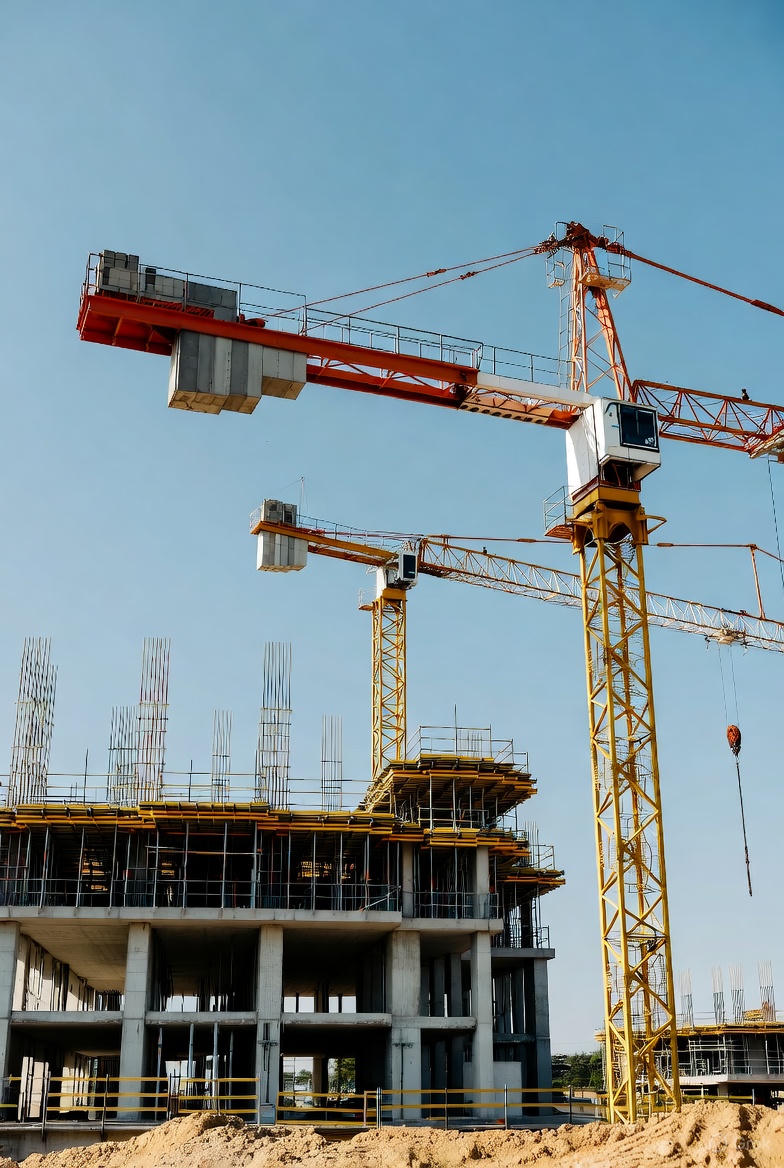
building material

Uncategorized
Wishlist Share
Share Course
Page Link
Share On Social Media

About Course

Civil Engineering ke Major Subjects ka Introduction

1. Engineering Mechanics (इंजीनियरिंग मेकैनिक्स)

  • Kya hai: Shakti, gati, aur balon ke prabhav ka adhyayan.
  • Importance: Structures aur machines ko design karne ke liye fundamental hai.
  • Applications: Bridges, buildings, dams, aur cranes ka design.

2. Strength of Materials (सामग्री की मजबूती)

  • Kya hai: Materials jaise concrete, steel, aur timber ki strength aur stress-strain behavior ka adhyayan.
  • Importance: Structure ke safe aur efficient design ke liye.
  • Applications: Columns, beams, shafts, aur bridges ka design.

3. Structural Analysis (स्ट्रक्चरल एनालिसिस)

  • Kya hai: Structures par lagne wale loads aur unke response ka study.
  • Importance: Structure ki safety aur stability ko ensure karna.
  • Applications: Buildings, bridges, dams, towers ka analysis.

4. Concrete Technology (कांक्रीट प्रौद्योगिकी)

  • Kya hai: Concrete ki properties, mix design, aur durability ka adhyayan.
  • Importance: Long-lasting aur safe structures ke liye.
  • Applications: Buildings, pavements, dams.

5. Surveying (सर्वेक्षण)

  • Kya hai: Land, structures aur terrain ka measurement aur mapping.
  • Importance: Accurate site planning aur construction ke liye.
  • Applications: Road alignment, railway projects, building layouts.

6. Geotechnical Engineering (भू-तकनीकी अभियांत्रिकी)

  • Kya hai: Soil aur foundation ka study.
  • Importance: Building aur heavy structures ke liye foundation design.
  • Applications: Foundation design, retaining walls, embankments.

7. Fluid Mechanics & Hydraulic Engineering (द्रव यांत्रिकी एवं हाइड्रोलिक इंजीनियरिंग)

  • Kya hai: Water aur fluids ke behavior ka adhyayan.
  • Importance: Water supply, irrigation aur hydraulic structures design ke liye.
  • Applications: Dams, canals, pipelines, water treatment plants.

8. Transportation Engineering (परिवहन अभियांत्रिकी)

  • Kya hai: Roads, railways, airports aur traffic management ka study.
  • Importance: Safe aur efficient transport systems ke liye.
  • Applications: Road design, pavement construction, traffic planning.

9. Environmental Engineering (पर्यावरण इंजीनियरिंग)

  • Kya hai: Water, air aur soil pollution control aur sanitation systems ka adhyayan.
  • Importance: Sustainable aur healthy environment ke liye.
  • Applications: Sewage treatment, waste management, water supply systems.

10. Construction Management (निर्माण प्रबंधन)

  • Kya hai: Project planning, scheduling, aur cost estimation ka study.
  • Importance: Projects time par aur budget mein complete karne ke liye.
  • Applications: Building construction, highways, bridges, industrial projects.


Show More

What Will You Learn?

  • By the end of this module, you will be able to:
  • Understand Different Types of Building Materials
  • Natural materials: stones, clay, timber
  • Artificial materials: cement, concrete, steel, glass, plastics
  • Identify Key Properties of Materials
  • Strength, durability, workability, fire resistance, and aesthetics
  • Understand Applications of Materials in Construction
  • Foundations, walls, flooring, roofing, doors, and windows
  • Differentiate Materials Based on Use & Performance
  • Which material is suitable for load-bearing, roofing, insulation, or finishing
  • Learn About Modern and Eco-friendly Materials
  • Fly ash bricks, composite materials, and sustainable alternatives

Course Content

building material
1. Definition (परिभाषा) Building Materials woh substances hote hain jo structures banane ke liye use kiye jaate hain, jaise buildings, bridges, roads, dams, etc. Ye materials structure ki strength, durability aur aesthetics ko ensure karte hain. 2. Classification of Building Materials (निर्माण सामग्री का वर्गीकरण) A. Natural Materials (प्राकृतिक सामग्री) Stone (पत्थर) Types: Granite, Sandstone, Marble Use: Foundation, walls, flooring Properties: Strong, durable, weather-resistant Clay (मिट्टी / ईंटों के लिए माटी) Types: Red clay, Fire clay Use: Bricks, tiles Properties: Heat-resistant, moldable Timber/Wood (लकड़ी) Types: Teak, Sal, Pine Use: Doors, windows, furniture, roof trusses Properties: Strong, lightweight, easy to work B. Artificial Materials (कृत्रिम सामग्री) Cement (सीमेंट) Types: Ordinary Portland Cement (OPC), Portland Pozzolana Cement (PPC) Use: Concrete, plastering Properties: High compressive strength, hardens quickly with water Bricks (ईंटें) Types: Clay bricks, Fly ash bricks Use: Walls, pavements Properties: Strong, durable, fire-resistant Concrete (कांक्रीट) Composition: Cement + Sand + Aggregate + Water Use: Foundations, beams, slabs, columns Properties: Strong in compression, durable, moldable Steel (इस्पात) Types: Mild steel, TMT bars Use: Reinforcement in concrete, structural frames Properties: High tensile strength, ductile Glass (काँच) Types: Float glass, Toughened glass Use: Windows, facades, partitions Properties: Transparent, aesthetic, brittle Plastics & Composites (प्लास्टिक और मिश्रित सामग्री) Types: PVC, Fiberglass Use: Pipes, insulation, roofing sheets Properties: Lightweight, corrosion-resistant, flexible 3. Properties of Good Building Materials (अच्छी निर्माण सामग्री के गुण) Strength (मजबूती) – Load-bearing capacity honi chahiye Durability (टिकाऊपन) – Weather aur environmental conditions withstand kar sake Workability (काम करने की सुविधा) – Easy to mold, cut aur shape dena Fire Resistance (आग प्रतिरोधक) – Fire se damage na ho Economical (आर्थिक) – Affordable and locally available Aesthetic (सौंदर्यात्मक) – Structure ko visually appealing banaye 4. Applications (उपयोग) Foundation: Stone, concrete Walls: Bricks, concrete blocks Roofing: Timber, steel, RCC Flooring: Stone, tiles, concrete Doors & Windows: Wood, aluminum, glass Reinforcement: Steel

  • cement material

Student Ratings & Reviews

No Review Yet
No Review Yet
Scroll to Top